This One’s For The Ladies

formyladies.jpg

by DeMicia Inman

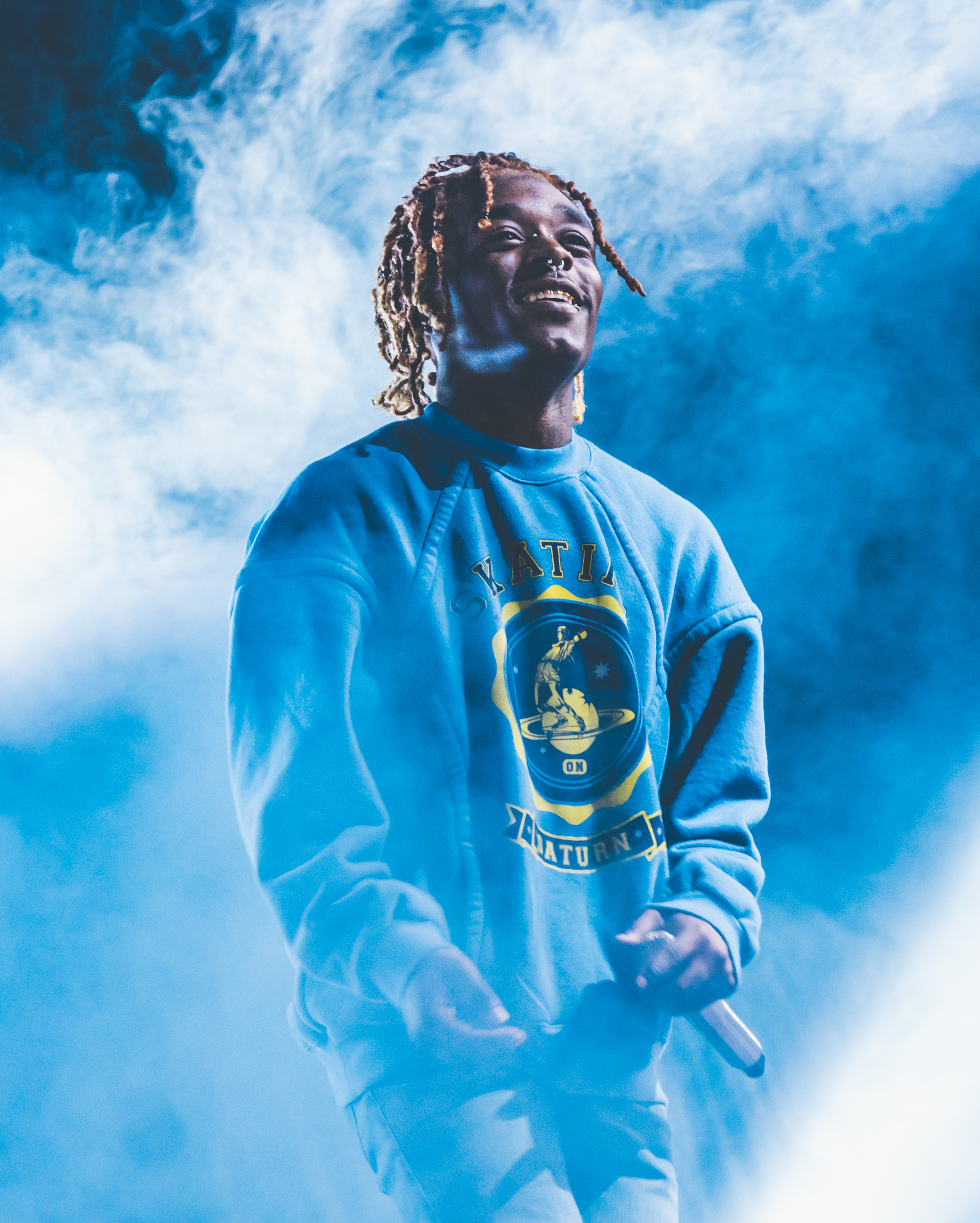
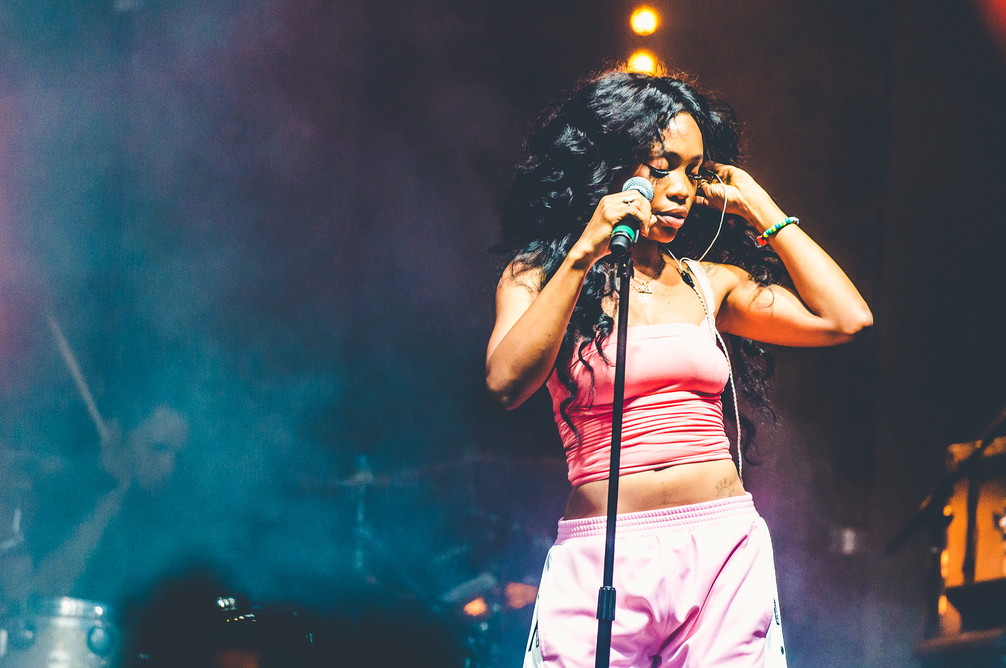
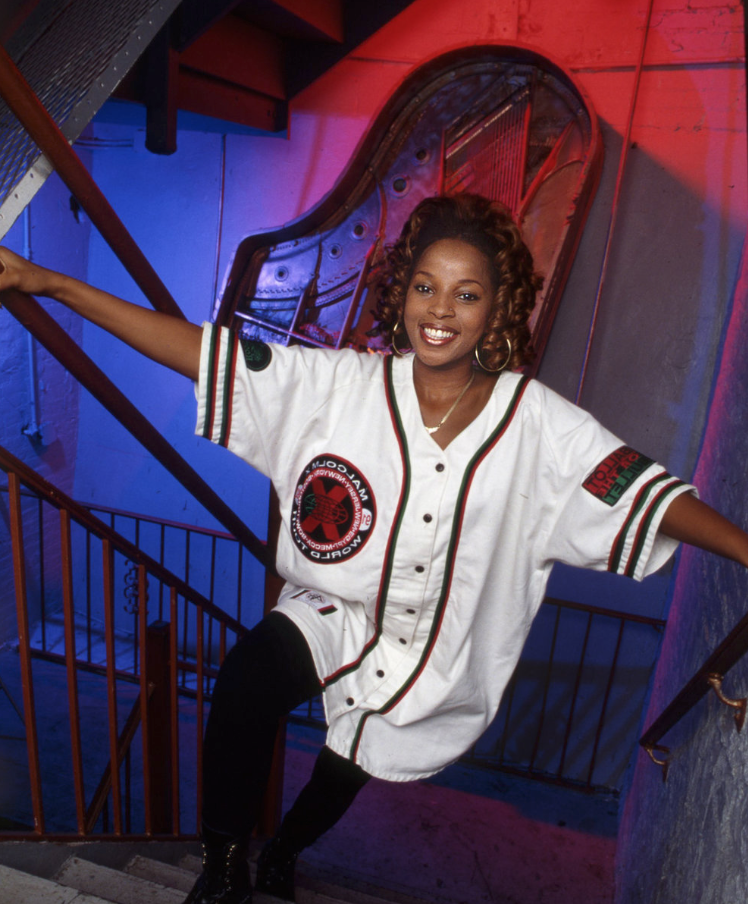
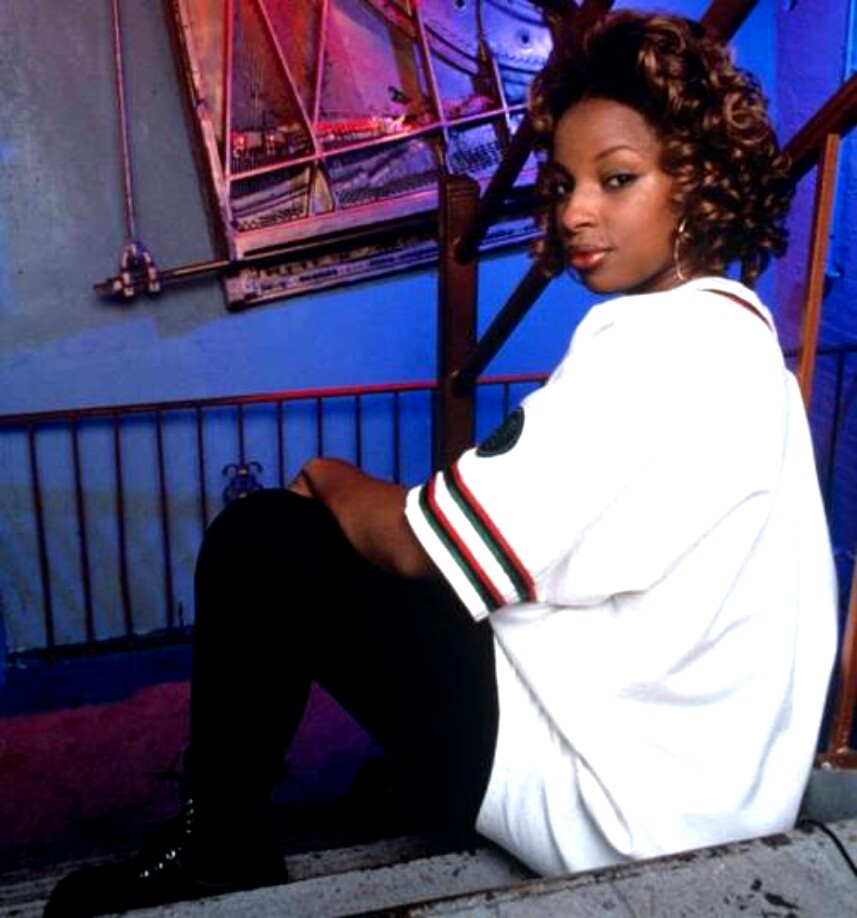
I, like many women, attend parties, kickbacks, and other celebratory events. Which means I am no stranger to that moment when the DJ proclaims: “This one’s for the ladies,” right before dropping a song by a man. The broadcast is typically followed by Drake’s “Nice For What,” Juvenile’s “Back That Azz Up” or another slow jam of some sort.

DJs who play Hip-Hop, R&B and other urban contemporary artists might not mean any ill will when their music selections are songs mostly by men. Their focus is on playing the hottest tracks, which means men will be played because, like in many aspects of life, contributions by women are overlooked due to misogyny and patriarchy. And that’s not to say women can’t or don’t enjoy rap music by men-we can and do. But I believe no artist celebrates women like other women.

Gender plays a huge role in how a song’s content is received. Rappers might have similar themes in their songs, but the difference in the way each track is interpreted by listeners can be attributed to the artist, more specifically their race, sex, class, gender and more. So it’s no surprise that a woman rapping certain lyrics is more empowering than if they were rapped by a man.

Take Cardi B’s hit “Bodak Yellow” for example. The track interpolates the flow on Kodak Black’s  “No Flockin,” and both songs find them rapping about the power of money. While “No Flockin” peaked at No. 95 on Billboard’s Hot 100,  Cardi B’s “Bodak Yellow“ made history, reaching No. 1 and earning Grammy nominations. The commercial success of Cardis cut was aided by her vibrant personality shown on reality television and social media, encouraging women to root for and support an artist who’s real and that they relate to. Kodak on the other hand, whose song still gets spins at parties and has a hefty 165 million views on YouTube, turned off listeners with his comments on women with darker skin and his first-degree criminal sexual conduct charges. And too often for Black women loving rap music often means reconciling blatant disrespect with a banging beat. Yet while Cardi B’s songs get played, she’s one of only a few women receiving their much deserved shine.

From a young age, I rapped along to Salt N Pepa and learned every Queen Latifah verse. With age, this catalog grew to include Trina, Eve, Diamond, and Princess of Crime Mob fame, and other adolescent favorites. I watched and the adult women in my life stood in the mirror, singing along to Missy Elliott, Foxy Brown and Lil Kim, basking in the power of black womanhood. And today my pregame playlists shuffle between Rico Nasty, Megan Thee Stallion, LightSkinKeisha and more women deserving of play beyond my personal Bluetooth speaker. Adding more women to party sets and playlists creates room for women to excel in an industry dominated by men-as rappers, singers, producers and engineers. And all of these voices should be championed everywhere, including bars and clubs.

A party ain’t a party until women run through and it’s time for the sound to match.


Four Songs That'll Make You Groove And Leave You Hungry

jill-scott-air-sex-microphone.jpg

By Chanté Griffin

Good music will cause you to smile and dance without thinking. So will good food. Just in time for the holidays, here are songs from our favorite artists that’ll make you groove and leave you reaching for a plate of food.

“Soul Food” - Good Mob

Goodie Mob’s “Soul Food” reminds us how soul food got its name. The group raps about the comfort that soul food provides: respite from discrimination and embrace in a world that constantly tries to keep us down.

Soul food is the art of turning nothing into something delicious, of transforming racism’s leftovers into a delectable feast.

Fast food got me feeling sick
Them crackers think they slick
By trying to make this bullshit affordable
I thank the Lord that my voice was recordable

In contrast, soul food is portrayed as the food that nurtures the mind, body, and soul:

A heaping helping of fried chicken
Macaroni and cheese and collard greens
Too big for my jeans
Smoke steams from under the lid that's on the pot
Ain't never had a lot but thankful for
The little that I got why not be

Somber yet uplifting, the song boasts a steady beat and a heavy bass. You can’t help but nod your head in agreement. It’s the type of song you play when you’re driving home from work after a trying day, or after you’ve heard about another racist incident: the police being called on a black girl trying to sell lemonade or on black folks just trying to barbecue. The song reminds you that somebody’s got your back—an uncle, cousin, mama, or auntie. When you get home, somebody will have a plate ready for you.

Come and get yo' soul food, well well
Good old-fashioned soul food, all right
Everythang is for free
As good as it can be
Come and get some soul food

“Collard Greens & Cornbread” - Fantasia


Is anybody’s love better than yo’ mama’s collard greens and cornbread? What about her sweet potato pie? According to R&B songstress Fantasia, the love that she’s found ranks right up there with her mama’s best dishes.

Sampling Marvin Gaye and Tammi Terrell’s “Your Precious Love,” this song finds Fantasia belting out praise for the one who’s making her so crazy in love. With her unique, gospel-infused singing style, Fantasia proclaims:

I ain't gonna lie
Boy you got me out of my mind
in L-O-V-E
I go crazy when you love me
Got me acting a mess
Even got the nerve to say I'm better than my momma
Collard greens and cornbread yeah

Her longing for this man is so potent it makes you question the type of love she’s singing about: Is it THAT good or is it dysfunctional? Either way, it makes you hungry for a side of greens and cornbread.

“Cornbread Fish & Collard Greens” - Anthony Hamilton

Whereas Fantasia romanticizes the soul food analogy, Anthony Hamilton explicitly sexualizes it. His song introduces us to a woman who stands confidently in her sexuality. To satisfy her, Hamilton knows he’s gotta come with a full buffet: cornbread, fish, and collard greens. He serenades her:

Cornbread, fish, and collard greens
I got what you need
If you want it (cause I'm pimp, girl)
If you want it (I'm a pimp, girl)

Although I would have hoped that all artists would have outgrown using the word “pimp” in their lyrics by now, the word’s connotations weaken because he’s slinging “food” and because he gives the woman a choice:

If you want it
If you want it

Hamilton makes it clear that she is the one ultimately in control.

The upbeat tempo boasts a strong beat and bassline that invites you to rock your pelvis back to front, side to side. Hamilton sings with the swag of a man with who is certain that he has what we need. And by the end of the song, I’m hungry. I’m swinging my hips back and forth, snaking my body, and admitting—yes, yes I do want your cornbread, fish and collard greens.

“Family Reunion” - Jill Scott

Jill Scott’s “Family Reunion” is a mid-tempo celebration of food and family that compels you to tap your feet and bob your head.

Scott poetically paints the picture of her family gathering for its reunion. There’s the typical drama: family secrets, spats, and folks in recovery. But what cements them together, besides the bonds of family, is the food. Scott sings:

Neicey made her famous potato salad, somehow it turns out green
Maybe it's all the scallions, could be the celery
But oh, Uncle Jerome loves it

This description of Neicey’s potato salad reminds me of my mom’s potato salad that I can’t get enough of: mounds of potatoes mixed with eggs, scallions, and celery, meshed with mayo and sweet pickle relish. Uncle Jerome’s celebration of that imperfect salad reminds me of family’s willingness to embrace us through most anything.

Oh shit, Damn Micky and Steven are fightin' again
Move out the way, somebody might get hurt
Aw look at that what happen is worst
They knocked over Helenora's Lemon Cake (Em)
You know the one she barely ever makes
I'm gettin' rilled up, I want them to go
But Somebody turn Frankly Beverly on the stereo
Cousin Ruby starts rockin', shaker her good hip and bottom
So we all fall into place, smiling and laughing

Despite the scuffle and the loss of the cake, all is good. There’s always enough food and love prepared.

So grab a plate, turn up the music, and groove.

Our Twitter Chat With Yan Snead

Duq2zqZW0AAyyn9.jpg

by Nadirah Simmons

A week ago we hosted our very first live Twitter chat with Yan Snead, a woman making major plays in the field. She is the Communications & Digital Strategy Manager at the Katal Center for Health, Equity, & Justice by day, Editor of Dinner Land Network and Digital Strategist for Chase N. Cashe’s brand “Can’t Buy Respect.” She’s a Jack of all trades with an indelible ear for music and she’ll definitely argue Dom Kennedy’s greatness to the death.

Throughout the conversation we talked about the importance of Hip-Hop culture, self-preservation in the often draining business that is entertainment and navigating male-dominated workspaces. The conversation was so good that we here at The Gumbo decided to share all of the gems in an article for everyone to read. Check out the gems below.


What did your introduction to the media industry look like? 
Podcast About Nothing, 2015. To be honest I’ve been writing and blogging since tumblr came about, but I didn’t REALLY get into the mix until @JamarMDickson threw me into it. We used to interview artists, media personalities, and entrepreneurs within the music community it’s actually wild how far I’ve managed to get in three years. But what worked for me was being extremely personable, connecting with whoever no matter how popular or unpopular they were/are, & asserting myself. I never wait on opportunities, I just did & still do whatever speaks to me.

The media and entertainment industries are without a doubt boys clubs, much like many other fields. What are some challenges you face as a woman? How do you navigate male-dominated workspaces? 
Two things actually. The biggest challenges I face are one, maneuvering through genuine interest in connecting and building versus “you poppin’, I’m going to act like your friend so you’ll promo my shit.” And two, dealing with male egos. I’ve come across a handful of men that are intimidated by my upward progression and attempt to block plays or take credit for my strategies. But as @OloriSWANK said, I could show you my hand and I’ll still win.

You described Hip-Hop as an umbrella under which music exists alongside language, fashion and more. How do you feel about its current state? 
Hip-Hop influences everything. Black Culture is pop culture. As far as hip-hop music, it’s a LOT of quality shit out there. The cliché answer would be “it’s in shambles, we praising too much goofy shit,” but there’s a lot of quality artists and music in circulation. Hip hop is alive and well, and if you believe otherwise it’s a reflection of the goofy shit and wack music you personally entertain.

Having so many different jobs can take a toll on one’s emotional wellbeing and mental health. What do you do to practice self care?
You have to take time to feed your spirit. For me that looks like reading books, listening to podcasts, having conversations about life/business with good friends, sometimes it’s totally isolating myself because I NEED me time, and other times it’s surrounding myself with love.

Some people champion having a seat at the table. Others champion building their own. What do these two statements mean to you, and how have they influenced your career decisions?
When I first started out, honestly the only  thing I was sweating was a seat at the table, but that was before I recognized my value and influence. Now I understand the value in knowing how to be a guest at a table & the importance in building your own. Need that balance.

I think our generation doesn’t pay enough attention to all the helping hands the greats received by being guests at someone’s table so that when they built their own it would be solid. You can’t do shit alone in any industry, ESPECIALLY not media/music. and what I’ll close that thought with, like I always say, while you’re at the table, you better be inspiring, teaching, plugging and giving back just like someone did for you to be able to sit there.

You can only take on project from this year into 2019. Which one are you picking and why?So we gon’ talk about the production quality, endless game dropping and replay value on Victory Lap or nah? Album of the year.

You get to executive produce an album and you’re choosing two rappers and producer. Who are you picking and why?
@Lowcollege and @DOPEITSDOM. I’ve always wanted to executive producing a Dom project, that’s my favorite rapper, real ones know. & Joe College the best thing out of Jersey. 

As far as the producer, y’all know I was always choosing my right hand @ChaseNCashe. He laces everything.

Who are some women in Hip-Hop that you look up to and appreciate? 
The women that I admire & appreciate are @vashtie, @erinasimon, @BreaSimone, @hinadirah, Ethiopia Habtemariam, @DJMissMilan, @jamisaaa, @BiancaEnRogue, @IvyLikeBlu, @theKYingredient, @TheKaiMiller, @viasimone_, @__KCarter__, man its a bunch of y’all.

What advice would you give your 10-year-old self? 
Stop comparing yourself, they ain’t you and you don’t want to be them. You’re special and people will see it when they need to.

Boston Chery Talks Healing People Through Music And The Importance of Support

Screen Shot 2018-12-11 at 12.50.34 PM.png

by Nadirah Simmons

Boston Chery stands out from the crowds for many reasons. For one, her aesthetic is that of a 90’s fan, but not the kind that simply reposts pictures of our favorite artists of the time. Instead, Chery has a deep respect for the artistry and the culture that manifests in her DJ sets and her personality, through which she shares her love for nostalgia and appreciation for the cultural pioneers before her-Mary J. Blige, Busta Rhymes, Brandy and Diddy to name a few. That was where we bonded.

But what struck me during our conversation was when she revealed that she rarely drinks or smokes. “Maybe four times a year,” she said over the phone. Instead, she prefers to let music heal her and get her through tough times, the same way a glass of wine or weed would for someone else. It’s not a knock, it’s just how she maneuvers. Music is her vice.

We talked to her about her introduction to DJing, the healing nature of music and the freeing environment that exists within queer party spaces.


Where did you get the name Boston Chery?
I came to New York from Massachusetts and I back then I had a super heavy Boston accent. There was this girl would call me “Boston” all the time and my last name was Chery, so that’s how I put my name together. 

When did you start DJing?
I started about eight years ago, when I was 19. Music was always with me, I actually linked up with a friend from elementary school out in Crown Heights and his mom told me I had a really good ear and that I should get into DJing. So I did. 

I was going through your social media pages and I saw a large 90’s influence.
One, I’m a 90’s baby. Two, nostalgia heals. We’re in a time where people are talking about their feelings and their mental state, and with music I’ve always wanted to heal. I’ve always wanted to bring that vibe where people make that stank face that reminds you of a song you haven’t heard in a while…Good feelings, that’s all that I’m about. Bringing good feelings to the dance floor.

I find music to be therapeutic and healing. How has it done that for you personally?
I was going back and forth between Boston and New York a lot as a child, just to different family members. Music was my escape, it made me feel good, it gave me a foundation and hope. A sense of security and a sense of belonging. Music is very spiritual to me.

How does your music taste shine through in your sets, because you have such an eclectic palate. 
I just go with I’m feeling at the moment or what the crowd is feeling, and then I make sure I play a little something for everyone. I don’t believe in bad music, I believe in something being relatable or not relatable. And then I put a little nostalgia and culture in it, and I’m a West Indian girl so I have to throw that in.

I want to switch gears a little bit, tell me your best DJ experience?
I have a lot! Could I give a top 3? The Joy, Brooklyn Boyhood and Remarkable, they have a party during the summertime for the queer crowd. I was the first person to open up during Pride weekend and it was crazy! I also did a collab party that weekend too…can I do two more? And I did another queer party in Oakland, the vibes were like Brooklyn vibes. And DJing with KAYTRANADA in Montreal.

Wait! How you gonna put that one last [laughs]. How did that come together?
Ha! It was a few years ago, I was going in order! But I was signed to this agency and they put me on the Osheaga Festival.

I want to go back to what you said about the different types of party spaces. Whenever I go to parties that are predominantly queer they’re always a tad better than cis and straight spaces [laughs].
I think what it is, too many people are trying to maintain a persona. And I feel like [for some] queer people they’ve been upholding a person their entire lives. To be queer is to be free and finally free. To be finally free is just not giving a f*ck. I have a lot of straight friends that come to my queer events and they always say how no one dances at these other events. It’s about dancing and turning up and meeting good people. 

One thing I saw on your Instagram page is that you spun at Museum of Sex for an event supporting sex workers. I was inspired by that because conversations around sex work need to happen. How did you end up DJing there?
I was actually reached out to by one of the curators who works there. I had spun at a party before and there were a few sex workers there, and it had opened my eyes. I was inspiring by their stories and I wanted to show love and support to sex workers and have the information to be able to educate people and also tell people that they have to respect everyone.

What does making it look like for you?
Being free and creating with whoever, whenever. Not having to worry about bills and traveling the world without worrying about finances. And healing people with music. I also want to inspire more women to produce and more women to DJ.

Is your family supportive of your career path?
I’m West Indian, I’m Haitian. So you already know I was supposed to be a nurse a long time ago. In the beginning [my mom] didn’t understand it, but my fourth year of DJing I was walking in SoHo from work and she said “I don’t know what it is, but I feel like deep down you’re going to make it big and I want to let you know I support you and love you.”


Bianca Chase On DJing And How She Became The “Alternative Hoodrat”

Screen Shot 2018-12-10 at 11.43.59 AM.png

by Nadirah Simmons

Bianca Chase’s Instagram name is Alternativehoodrat, and it falls in line perfectly with the Brooklyn-bred artist. Bianca can do it all, from jewelry designing, rapping and photography to art curation, fashion designing and DJing.  

We talked to Bianca about their relationship with New York, the stress that comes with presentation and how the internet helped breed the “alternative hoodrat.”


What makes Brooklyn different from the other boroughs in New York?
We’re really diverse, and I feel like sometimes we don’t really realize it. It’s a melting pot and people bring their energy and their art and we adopt it.

I read one of your other interviews and you said you have a love/hate relationship with New York. Why is that?
I got bullied a lot as a child. The things that people used to pick on me about are the things people love about me now, and it’s trauma. It makes me feel a way because this is the environment I grew up in. Then I go to other states and people like it, but when I’m home people pick on me about my lips and stuff. 

I love that you mention that, especially being fellow a bald-headed person-I remember when I shaved all of it off and everyone was not happy.
Same, I had to let it all go. I kept my hair because everyone around me wants me to have hair. But I was like I’m not happy, it makes me uncomfortable, it’s was a weight on my shoulders. And when I shaved it off I was like “wow!”

Same! I had this big afro and everyone was like “don’t do it!”
That’s real. But who is going to braid this for me? Who is going to detangle it?

Ha! But you know what? That’s so good for younger Black people. To be reminded to be multidimensional and to do whatever you want with whatever, even if it’s starting with your hair.
Right! There’s more than one way to be and ways you can be. 

You yourself are also a multifaceted artist. A quick glance at your Instagram shows that you have your hand in a lot of things. How has the internet helped your career?
The internet grew me. When I saw alternative stuff I realized I want to dress gothic, I want to wear platforms..I [also] realized what you can and can’t put on the internet. I notice that when I’m sad or angry my work doesn’t share as well, and when you’re in drama and people peep it they see you in a certain way. And I’ve worked really hard to get out of that negative space. But I’m just like I am on the internet as I am in person.

When did you get into DJing?
I’ve always really loved music. I’ve always loved certain tunes and the sounds that were a part of songs. I asked my father to buy me this synthesizer in 2014, my junior/senior year in high school.

What songs are you playing at a function to set the mood and then get everybody hype?
“Sticky” by Ravyn Lenae and to get hype? Asian Doll’s “GUMMO” remix.

What advice would you give your younger self?
I would have told myself to be a little bit more patient and consistent with my art. I would’ve told myself to be more prepared and not to get caught up in the fck sh*t.

What do you mean by fck sh*t?
When I was younger I was trouble maker! But I also got bullied a lot so I was very paranoid-from elementary school until the year I graduated middle school, and then when I got to high school I didn’t talk to people. And if I did talk I wasn’t very nice.

If you could pick one song or one artist as the soundtrack to your life who or what would it be and why?
Steve Lacy, “Looks.” That’s my mood right now.

DJ 9AM On The Origin of Her Name, Her Worst DJ Experience And The Male Ego

Screen Shot 2018-12-07 at 12.49.19 PM.png

by Nadirah Simmons

I’ll never forget one of the first parties I attended in New York. It was my first summer here, and I was excited to partake in what everyone from the city proclaimed to be the “best time of the year.” My function of choice? A “4 Lovers Only” party at SOB’s, where the bill promised a sponsored one hour open bar and 90’s R&B music all night. To this day it remains one of the greatest parties I’ve been to, because of the music, specifically DJ 9AM’s set.

You have to love a DJ who doesn't go from “Poison” to “This Is How We Do It” to “No Scrubs” when it’s time to play 90’s R&B. Don’t get me wrong, they’re all great. But when someone spins those deep cuts that aren’t not everybody’s you have to respect it. The crowd and I did, for sure. Everyone was dancing for the entirety of her set, not to mention the few men who were professing their love for her in front of the stage. Yes, I’m serious.

Yet DJ9AM was cool as ever, maintaining a crowd control and confidence that I had never seen before. Thus talking to her was exciting, because she not only loves the art form that is DJing, but she’s got the vibe and the music taste a girl you’d want to be friends with-I was hype when she told me Smino is one of her favorite artists too.

We chatted about how she got her name, what happened the one time she couldn’t play “Meek Mill” at a party and the problem that is the male ego.


Where did your name come from?
Nine was a playful nickname back in the day that my friends gave me. And the initials to my real name are “AM,” Angel Monique. So I put them together and it sounded good! It has nothing to do with time [laughs].

How did you get your start in DJing?
Six years ago when I first moved to New York-I moved to Harlem. I used to work at this bar where I met one of my homegirls, and her and I decided to throw an event. Nobody knew me then so it wasn’t this big event and it ended up being practice for me.

At this very same bar they threw a Hip-Hop night and DJ Kool Herc and DJ Scratch came through...DJ Scratch got on the turntables and I was like “oh my god!” Then I spoke to him, told him I was a DJ and asked him if he had any pointers for me. He said yeah and said he would give me a lesson. So he had a studio in Brooklyn and he gave me a lesson there. It was so dope.

That’s honestly crazy as hell [laughs].
Right? It was a sign.

Indeed. Are you originally from New York?
Nah, I’m from Las Vegas!

Oh wow! What was growing up over there like? Did it influence your decision to become a DJ?
Yeah, it’s one of the biggest entertainment cities ever. Living there allowed me to see how successful you can be within this career. At the time I didn’t like the music that they played in Vegas clubs. They played a lot of Hip-Hop but they played a lot of EDM. I didn’t appreciate that type of music until I moved [to New York]. So now I’m into House, EDM and Hip-Hop as well.

And Vegas really showed me that a DJ is also an artist.

I love that you mentioned them being artists. I’ve asked many of the DJs I’ve talked to about their feelings towards people who don’t participate in it as an art form. They plug their phone or laptop in and think that makes them a DJ.
I feel like they’re doing it for the wrong reasons. If you don’t really get into the craft and learn how to DJ-I feel like they’re doing it for the wrong reasons. They’re doing it for the clout and it’s just a hustle for them. And if that’s your hustle I respect that. But you can only go so far with that. At some point in your career you’re going to be tested and the truth is going to come out. There are some events where you can be an aux cord DJ, but you can’t rock a club doing that.

What has your branding process been like? Walk me through it.
It’s one of the more difficult things, because a lot of time people want you to be who they want you to be. If you go outside of that people will ask what you’re doing. I just try to stay true to myself and as genuine as I can.

How important has social media been?
Social media is like the new business card. Some people might not even hit you up, they’ll look at your Instagram instead of asking for your EPK. 

I go back and forth with it because I realize how important it is, but a part of me hates that it is very important. There are so many DJs and people want that total package. You can’t just be a good DJ, people also want a certain vibe at their party and they can pick that up off of your Instagram.

Instagram actually introduced me to your podcast “Breakfast at 9am.” Tell me a little about that. 
I really wanted to show people my personality another side of me outside of my mixes, and I thought a podcast would be perfect.

Do you find your podcast and DJing to be therapeutic for you?
Yes! They take me into a different world that allows me to express myself freely. Being able to do that and being able to create, that’s therapeutic in itself. If you see me out I don’t really talk too much and I’m not the most social person. All of these creative outlets are a way for people get to know me.

I love when women have that outlet. Sometimes we don’t have the spaces to let things out so when you do you cherish them.
Very important. It keeps me sane.

Has it been hard for you as a woman in the industry?
It’s hard being a woman period. Especially when you’re first starting out people don’t expect you to be good because you’re a woman. Like I’ve had someone come behind the booth to see if I’m really playing!

Wait, what?
Yes! I’ve had hosts come and mess with the knobs-I notice they only do that to certain women. I’ve noticed as women some of our biggest obstacles in the industry are men. Period. And their egos.

I agree. Where do you think that stems from? Are they intimidated or envious of women being good at what they do?
I think it comes from a hateful place. Women are getting booked a lot, and they don’t like it because they think we’re getting booked just because we’re women. They’ll think we’re using our sex appeal to get booked or we’re flirting with some dude who might like us to get booked…At the end of the day it’s more than posting a sexy picture on Instagram. We’re out here in the field really grinding. The girls who are getting booked, we’re not just sitting on our a** waiting for someone to someone to book us. Like nah. Work harder. And we have to keep working hard.

What’s the worst thing that’s happened to you while you were DJing a party?
Oh my god! I was playing at this bar uptown in Harlem, and the owners didn’t want me to play a lot of trap and Hip-Hop. They wanted me to play world and Afrobeat music to keep away a certain crowd. One night I was playing and these girls came up to me and they were like: “You don’t have no fcking Meek Mill, you a whack a** DJ!” I was like I got it but I can’t play it like that. I was trying to tell them it wasn’t my fault.

Long story short, I ended up calling for security over the mic because they were distracting. And then they got mad and started swinging on me! One girl contacted and I had to back up and come from behind the table…I literally got into a fight with two girls because I didn’t play Meek Mill.

It goes back to being a woman. If I was a man and told them I couldn’t do it they might’ve gone on with their night. But because I’m a woman and I’m petite they thought they could do that.

That’s wild as hell. But you’re not wrong about that part.
Mhm, crazy.

In your eyes, what does “making it” look like?
I feel like when you are able to survive financially and fully off of your craft you’ve made it. One of my goals is to go back to Las Vegas and have a major residency there. Also to get my show on a higher platform because I really enjoy it. And to be able to travel and play.

Would you ever want to tour with an artist? And who?
Absolutely! That’s one of my biggest goals. Definitely Jean Deaux, I think she’s really dope. I feel like our vibes are similar and I would love to go on tour with her.

What advice would you give your 10-year-old self?
It’s okay to be confident in everything that you do. I would enforce confidence because it everything. It dictates your whole life and everything you do. Don’t let that first dude hit [laughs].

Yo! You’re funny as hell!
Ha! And I would tell myself not to waste time […] and to listen to my father.

Listen to her podcast and mix below.

Naquai On Why DJing Never Feels Like A Job Or Work

IMG_9503.JPG

by Nadirah Simmons

When asked what advice she would give her 10-year-old self, Naquai opened about the importance of embracing her creativity. She says that she feels like she wasted some years trying to figuring out if she creative enough to be a DJ, going to college and then dropping out in the process. She believed she was going to be a doctor or work in someone’s office, and now she’s spun everywhere from the hottest parties in New York to in Miami at Rolling Loud.

We talked to her about the art of DJing, the key to keeping the crowd engaged and proving people wrong in the industry.


Where are you from? 
I was born in Belgium but raised on the Upper West Side of Manhattan.

How has your environment influenced your love for music?
I think growing up in the time that I did, the early 2000s, and being super close with my family helped to influence my love for music. In my opinion some of the best music was put out in the years I was born and growing up. Along with the fact my parents were really into 80's and 90's Hip Hop & R&B. My mom would wake up and blast Mary J Blige when she was cleaning or my dad would sing along to Tony! Toni! Tonè! during car rides. Thats really where the appreciation began for me.

What did your start in DJing look like? Why did you decide to take this path?
My start in DJing was slow in the beginning. I had to save up to get my first controller which was a big deal for me because I had horrible saving habits and I used to come home from work and practice mixes every chance I got. Luckily through my management I was able to get some really great exposure pretty early on and I'm super thankful for that.

As far as why I decided to take this path, it was sort of like a build up for me-starting off with my appreciation and love for music, being around other DJs I really looked up to and respected and seeing I can do it myself. Then what really did it for me […] every time I went out to a party or event I was feeling like I could play a better set than the DJs that were booked. I guess that finally pushed me to be like "Alright, that’s it, I’m doing this.” 

DJing is an art form, and a lot of people think they can just grab a phone, a laptop and an aux cord and be a DJ. How do you feel about people who think this makes them a DJ?
I don't think [those] things make you a DJ at all, but that’s where it starts and you can get your practice on one of the most important skills: song selection. If you see people rocking out every time you have the aux that’s awesome, but taking the time and dedication to learn the many other skills along with having a real passion for the art is what makes you a DJ.

Was it hard for you to create a unique style that differentiates you from other DJs?
Not really. When I was living in LA and throwing my own parties I really came to appreciate and kind of obsess over this “SoundCloud rap” that other DJs were playing out there. They were finding underground songs that the mainstream didn’t know about and [playing] that throughout the whole party.

I loved that style because I absolutely hate songs that you can hear no matter what club or party you go to. Its cliche to a point. So I paired that love for SoundCloud rap with my vast knowledge of 90's Hip Hop and R&B and it’s worked pretty well for me so far.

How does your music taste shine through in your sets? What songs would you play in a set to get the crowd hype?
Every set is different for me because I'm always going off of the crowd I'm DJing for. I never plan my sets or even think about them before hand because it gives me anxiety. Right now depending on the crowd I could probably play “Lean For Real” by Playboi Carti and get people goin the way I want them to or I might throw on Tommy Wright III “Runnin-N-Gunnin” or even some old Three 6 Mafia. 

How important is social media to your brand? Do you think social media plays a negative or positive role in the careers of entertainers?
Of course in 2018 social media is important to any brand. I have a love/hate relationship with it because I think there’s some good to it but I also feel like theres more bullsh*t that comes with it as well. I'm trying my best right now to find a good balance of social media and my real life. I try to only post my gigs and any promotion for them and less selfies [laughs].

But as far as entertainers go I feel like it plays a pretty positive role as far as a fanbase. [It] allows you to build a fanbase and gain respect and followers by just doing your job. I really appreciate when people come up to me saying how much they fuck with my set and ask if they can follow me [after I’m done DJing]. It’s a cool feeling and it makes it super easy to connect with people. 

Have you faced any challenges as a woman DJ?
As a woman in the beginning people doubted my skills, especially since I'm not some “hard looking” DJ over here scratching my heart away. But honestly I feel like once people started giving me a chance and started listening to me play it hasn't been so hard and I've been getting compliments for my sets more than anything.

I know that as my career continues I'll come across more people that doubt my skill just because I'm a woman but my goal is to keep proving them wrong. 

What’s an unspoken DJ rule that every DJ knows?
I mean I feel like the most important one-that people don't always follow-is don't break your flow. If you see the crowd turning up don't play a song that would even have a chance of making them turn back down. People love having a reason to walk outside and smoke a blunt or a cigarette but don't give that to them! 

What does “making it” look like for you?
Being financially stable and being able to travel the world all from of DJing. DJing never feels like my job or work. It’s the most fun I've ever experienced in my life. So as I watch people break their necks at jobs they hate just to make ends meet, I know I'd be super blessed to be able to pay my bills, own some property and travel all off of something I consider fun. 

How Working At Barnes & Noble Helped Turn Quin Into A DJ

IMG_1622.JPG

by Nadirah Simmons

When we asked Quin what advice she would give to her younger self, she answered quickly: “Hone in on the things that you enjoy the most because it will eventually pay off and work harder at those things.” Nothing has ever been truer, and the DJ that is Quin is a testament.

Coming out of New Jersey, she’s armed with a library of musical knowledge that would rival that of the biggest music head in your corner. Now she’s settled into her role as a DJ, putting out mixes online and spinning at clubs with the hopes of one day traveling the world.

We talked to Quin about how she got her start, the questions you should stop asking DJs at events and making sure her brand is a reflection of herself.


Where are you from and who influenced your taste in music?
I’m originally from Queens, New York, but whenever I claim that people get pissed [laughs]. I’m really from Burlington, New Jersey. I would say my parents mostly influenced my taste in music. When I was young they were big tape and CD collectors, and when I got my first walkman I would always grab stuff from their collection.

It’s always good when your parents put you on. How does their influence manifest in your DJ sets?
Well due to my extensive knowledge [laughs], I try to put people on. You could hear a New Jack Swing set and there are the typical songs that everybody knows like “Poison.” But then you can throw a different song in there that has a similar vibe.

When did you actually start DJing?
At Barnes & Noble. My coworker, who would DJ on the side, would bring a mini controller to work and I would mess around with it. Then when I would hear DJs mix on the radio or at events I would say “oh that’s nice” but in my head I knew I could do better. I was talking all of this crap so I knew I had to try.

How long ago was this?
I started messing around with DJ software in high school. I started DJing fully in 2015/2016.

Is it to create your own unique style and make yourself stand out?
I’m still developing my sound since I’m fairly new. I try to observe a lot of other people as well as get creative when I do things and try to create things I haven’t heard before.

Yes! I love when I go to a party and the DJ ends up putting me on. What songs are you spinning when there’s a really chill vibe at a function?
I have to think, you put me on the spot! Definitely “Kaleidescope Dreams,” that’s a good vibey song and it had a good groove to it. I love Masego so I would definitely play something by him. I would say “After Dark” by Drake. And to get a little romantic, I want to play Sir, but also “Tadow” by Masego!

That’s a good mix of tracks. The last few parties I’ve been to, when it’s time to redirect the vibe of a party the DJs went from Sheck Wes to 6ix 9ine to “Lovers and Friends.” I’m like what the heck, this is whack. Stop playing the same thing!
You aren’t lying [laughs]!

So what are you playing to get everyone hype?
“Big Bank” gets everybody hype so I have to play that. I really like “Uh Uh” by Blac Youngsta. “Twerk” by City Girls is also really good.

Can I just say, “Big Bank” is my song. I told someone it was song of the summer and they looked at me like I was crazy.
You do sound really crazy I’m not gonna hold you.

Really?
Yes! I think there’s a lineup of songs, but for it to be song of the summer? No. Not happening, I disagree.

So what’s song of the summer?
“In My Feelings.”

See, here’s my thing. I feel like that’s song of the year [laughs]. And it’s Drake, he’s passed these titles. Everything he makes goes!
Okay, I feel you. Then there’s “Nice for What,” “FEFE” and let’s not forget Travis Scott’s album. “SICKO MODE” came out and the end of the summer.

Where do you discover most of your music and new artists?
I have a burner account where I follow people who inspire me. And when I’m constantly exposed to those kinds of things it connects the dots. It’ll be a random hipster from Chicago who will post their friend and then I’ll find out about [their music] through that. Or I’ll do the generic search through Spotify and Apple Music playlists and music hubs.

And YouTube of course! The YouTube vortex is the illest club of all time.

The internet is the goat. When it comes to branding yourself how important has social media been, and do you think it’s had a negative or positive impact on entertainers?
Social media is the kind of thing that can make you or break you, you dictate what direction you’re going to go in. Within the past few months I’ve been paying a lot of attention to my social media and focusing on how I’m coming off, the content I’m creating and the quality of my pictures. It’s what you make it so if it’s negative for you that’s a reflection of yourself.

Have you faced any challenges being Black and being a woman pursuing this path?
Definitely. People assume you don’t know what you’re doing, that you don’t know how to use certain equipment or that you don’t know what things mean. It’s hard to discern whether you’re getting a gig or attention because you’re an attractive women or because of what you bring to the table.

What are some unspoken things about DJing that you want people to know?
Don’t put drinks close to the equipment, the DJ booth area is not a coat rack or a safe haven for your purse, I don’t have a charger for you and I don’t have every song in the book.

Where do you see yourself in five years?
Definitely want to accomplish more with DJing and diversify the places where I DJ. I do want to remain in the Tri-State area but I want to be able travel other places to DJ. 

I also want use my DJing to branch out into other things such as art, graphics and visuals. And I want to help communities too. Real philanthropic.

Listen to her Afrobeat mix below.

THEakasha Is Championing Free Movement And Self-Preservation

by Nadirah Simmons

Music has always been a part of DJ THEaskasha’s life, citing her parents’ unique and eclectic music tastes as influences for her love of the art form. And a quick look at her upbringing solidifies it as a love indeed. As a child she started playing the violin, and then the piano, before joining a visual performing arts program in the 7th grade, where she sang opera and continued until college. 

But by the time she was enrolled at Temple University her hopes of being a voice performance major were crippled by transcript problems and the audition process. She took a different route, pursuing media studies and focusing on radio and audio production. A few years later, armed with a degree and the success of numerous gigs, DJ THEaskasha is flourishing as an open format DJ, visual director and art enthusiast.

She has spun everywhere from New York City to Seattle to Miami, toured twelve cities and counting, and performed alongside Just Blaze, Natasha Diggs, Ivy Sole, Kari Faux, and Bri Steves. At the function THEakasha wants people to engage in free movement with every track she plays.

We talked to the THEakasha about her first time DJing, the bittersweet necessity that is social media, and being private while amplifying her identity as a queer Black woman.


Do you remember the first time you actually DJ’ed?
Yes, I was in a DJ collective in Philly and I was their social media girl. And the plan was for me to be their social media guru and they were going to teach me how to DJ. But it didn’t happen, and they added two guy DJs to the group and they were putting them on and not me. But it ended up working out because one of the DJs they added, Astro 8000, really believed in me.

He has a chain of parties called ‘Astronaut Status’ he asked me to open one of the very first ones with a DJ set. The venue only paid him $50 for the night but he paid me $20 and he thanked me for holding him down. He said, “You’re worth getting paid for your craft. Go get that shit.” He gave me my first chance, my first gig.

And now you DJ all the time. What is that feeling like for you?
No matter how tired I am before a set or what struggle I went through to get there, it’s euphoric. It’s this weird unshakable confidence, almost like a freedom! 

My biggest goal as a DJ is to encourage free movement. It’s the most natural and healthy thing you can do with your body. Babies engage in it when they leave the womb, but the older we get the less and less comfortable people feel putting themselves in situations where they can engage in free movement…I want the people at [these events] to move freely too. It’s a form of self-care.

Was it hard for you to create your own style to stand out amongst a large pool of people?
That is actually something I’m just now finding to be a challenge. When I was starting out three years ago it was like “okay, I don’t expect to have a big crowd. I want to DJ under people.” But now I’m in a whole new market. I think if I would have stayed in Philly it would’ve been a lot easier to collaborate with people. 

But New York is a whole different monster. People will pay you but venues already have their DJs-whether they suck or not. They care about the bar sales being up to par. So me coming to them with my EPK, if I haven’t already built something massive myself or if I can’t bring them more numbers than they’re already doing, they’re not interested.

It’s been challenging and it used to discourage me, but now it motivates me. It’s not just about being on the hottest gig-even though I want to be on those-but also the wave I created for myself.

That’s always the best way to go! One thing that you said that stuck out to me is that venues will have DJs that suck [laughs]. What is a bad DJ to you?
I would define a bad DJ as someone that doesn’t care about the technical skill of being a disk jockey. A DJ that cannot blend records. A DJ that does not care to beat match. I’m not perfect, but you can’t play something at 82 and then cut to a song that’s 115. And some people can get that off and it sounds good. But the crowd feels it when you don’t care about blending or creating a vibe.

When it comes to promoting yourself, we are in an age that is dominated by social media. How important has social media been to you to brand and promote yourself?
I know a lot of DJs that have been in the game ten plus years and have social media because they have to, but their fanbase is organic. It’s real life. I admire the DJs that don’t have to rely on social media. But I also know because I’m a millennial and because of the connections I have, I need it. If it was up to me I would just have a website, but it’s helped me network and get so many of the opportunities I’ve had so far. 

Like Twitter for example. I’ve been on it since 2009 and I have seen it transform into such a bitter, evil, hateful place. No matter who I’m following or not following I feel like after a while I get sucked into that. Then you feel like you can’t unfollow certain people because this is how this person gauges our relationship. Or not following someone can ruin a business relationship.

Then you’ll see all of these popping DJs that you look up to and admire and you’ll feel pressured to keep up with what they’re doing. Social media is a real bittersweet thing.

It really is, which is so sad. You can log off or unplug to get away from it, but when you do log back in you’re bound to see something that isn’t positive.
It’s so crazy that you say that. None of that stuff is real, it’s the Internet. But then people will allow that to influence their real lives.

How important is your identity to you within the world of music?
I’m a Scorpio and I am a very private person. I identify as a queer Black woman, and my Blackness is always something I’m going to be loud about. But I grew up in a family where sexuality wasn’t important. Like if I say “I’m gay” they would say “ew we don’t want to know who you’re sleeping with! That’s your business, you’re grown!” It’s a part of my identity and something I’m proud of. I’ll continue to place myself in places around people with similar identities that I can commune with.

As far as me and the world? My identity isn’t important to the world. But they’ll know it and I won’t allow myself to be misidentified-all the way down to how my name is spelled. 

Listen to “tee time” below, a five-part mix series of “blended music for lovers in all stages.”

DJ Nolita On Seeing Only Yourself And Being Afraid Of Nothing

@AbbyJasminexo " Trap Mom Release Party" for Cinematic Records

@AbbyJasminexo " Trap Mom Release Party" for Cinematic Records

by Nadirah Simmons

A quick glance at DJ Nolita’s Instagram will impress you. The 22-year-old Brooklyn native is solidified as one of the hottest DJs in the game. But you don’t need to look at her near 13,000 followers to know that.

With a resume that includes spinning for TIDAL and on the Rolling Loud Festival stage, Nolita is poised and destined for greatness. What makes that reality all the more exciting is that just a few years back she didn’t want to be a DJ at all, instead hoping that she could carve out a career as a fashion designer. But after realizing it wasn’t what she wanted to do and learning her way around production equipment, Nolita thrust herself into the world of music-which should come as no surprise when you learn that her godfather is Aaron Hall and her uncle is Kid Capri.

A surprise DJ set that had her filling in for a friend and a boatload of performances later and “your girlfriend from GTA,” as Nolita affectionately calls herself, has her eyes set on traveling the world with some of the biggest names in music. We caught up with the DJ to talk about her transition into music, what it was like DJing on a bill that featured Beyoncé, her go-to songs to play at a kickback and navigating the industry as a young, Black woman.


I know you live in Brooklyn right now, where are you originally from?
I’m originally from here but I traveled a lot growing up. I got a taste of a lot of different places which has a lot to do with my music, my variety and my selections.

I also have a lot of musicians in my family. My mom was always in artist management, my godmother was a songwriter my godfather is Aaron Hall my uncle is Kid Capri. And I’ve always felt like I had a good ear for music. That and moving around opened my up to a whole new world.

When I’m talking to people in the industry I often ask where they’re from, because their environment influences their art. Do you think moving around a lot was necessary for you to be the DJ that you are now?
Yes! In a lifetime everything that leads you up to today is what made you who you are. How my life went is how it was supposed to go as far as moving around a lot and learning a variety of languages and music. It broadened my spectrum.

You come from this musical family, what did your beginnings in DJing look like?
I initially wanted to be in fashion design! I went to the High School of Fashion Industries and I realized I didn’t want to make the clothes. I wanted to wear them [laughs]. So I decided one day that I wanted to produce music. I went home and taught myself how to produce and then taught myself how to produce. Then eventually I started learning how to DJ. 

I got tricked by one of my friends to DJ a set! He told me he was going to be gone for 20 minutes and he was gone for 45! I had no idea what I was doing at all, but it went really well.

And now you’ve DJ’d at some of the biggest festivals! What’s the different between Rolling Loud and a club?
I’ve also done TIDAL! TIDAL, Rolling Loud, they’re very on schedule. Everything is literally timed and on point. Rehearsals and all that with TIDAL. Whereas a warehouse or house party doesn’t have everyone running around trying to make everything perfect. And there’s no rehearsal!

It doesn’t surprise me that TIDAL would run a tight ship, which is why they do everything so well.
It was insane! I had to appear onstage from underground and I had to be there at a certain time. So I’m running from my fitting room to get there and I pass JAY-Z and I’m like “Hi Jay!” And he was like “hey.” Then I had to crawl under the stage in these 8-inch, thigh high leather boots to DJ in front of thousands of people. I went on after Lil Yachty and before Beyoncé.

Wow. Legendary.
[Laughs].

When I get on Instagram and see a lot of people popping up saying they’re DJs when they’re just plugging a phone into an aux cord or standing behind a computer and calling themselves a DJ, and I wonder how that makes people who treat it as an art form feel. To the first part, I’m not all for it. Because it is an art form and people forget that. Anybody can wake up and decide they want to DJ but you have to really do it and give it your all. You can’t treat it like something that’s not as important. 

People on social media want to do it because they see the hype around it. They see the people around you. They see that you get to travel. But they don’t understand how much work goes into it. It’s a lot of work. But I’m not against anybody deciding they want to do it, because that’s how life goes. Go for it, go for your dreams and be serious about it.

How do you separate yourself from those who aren’t serious?
I’m really big on keeping the focus on what I’m doing. When all you see is yourself you have nothing to be afraid of, nothing to worry about. 

So be open to new ideas and meeting new people and then leave room for yourself and your thoughts. When you’re consumed with yourself and your own work it only elevates you!

What’s crazy is you’re only 22 years old! What are your goals as a DJ?
I’ve gotten the opportunity to work with so many artists, but I have some that are set as markers and goals in life. Like Rihanna or Drake. I want to be the Rihanna of DJs. I want to dress my ass off and DJ around the world. 

Let’s say you’re DJing a chill, calm kickback. Who are you playing?
Kaytranada, Childish Gambino, IAMDDB, some Travis Scott and Banks. But I started out as a house DJ, so I would make a lot of remixes to the artists I just named or incorporate dance tracks and mix them in with the original tracks.

So, opposite end of the spectrum. We’re getting buck, who are you playing?
I’m playing Young Doloph, Cardi B, Playboi Carti, Travis Scott, Asian Doll, Rico Nasty, Matt Ox, Lil Yachty, JuiceWRLD, Future, Nicki, all of it! Let’s get into it. But I still have to keep my style so I’ll make remixes and incorporate those into my tracks. 

What has navigating this industry been like as a young Black woman?
I’m very particular about who I surround myself with. I’m very cautious…I think that’s why I’ve been able to dodge the industry bs. I don’t surround myself with people that will harm my brand and harm me as a person. I only keep around me that I have an understanding with, that are like family, that will ride for me no matter what.

What advice would you give to a young woman who wants to DJ?
Go into it with an open mind and a  strong mind. Make your own rules. Wonder but never worry. Live your truth and be yourself. Work hard. And be a boss.

Listen to DJ Nolita’s “Trap Mix” below.

Trap Mix
DJ Nolita

Introducing B Rocka: How Brandy Became Hip-Hop and R&B's New Muse

4BULJHUMKFAXNG2ETDXZ5KPXSM.jpg

by Njera Perkins

Brandy’s first single rose to the top of the Hot R&B/Hip-Hop Songs Chart, but it was the addition of three emcees on the remix that transformed the track into one of the most memorable anthems of the 90s. “I Wanna Be Down (Remix)” proved to be a prime example of unity bringing together female powerhouses, but also the perfect balance of Hip-Hop and Soul.

Along with her peers Monica, Mary J. Blige, Mya, and Aaliyah, Brandy helped successfully mesh together two genres that previously seemed separate. But it was one of Brandy’s defining trademarks, her low yet airy pitch, which allowed her to differentiate herself the rest. Four years after releasing her self-titled debut album, Brandy would return with Never Say Never, an album whose themes created some of her most powerful music. Songs like “Have You Ever” and “Angel in Disguise” gave life to feeling of love and longing, while “The Boy is Mine” managed to make listeners groove to a song about dishonesty and jealousy in a way that only Brandy and Monica could. Much like soul singers before her, Brandy set out to create music that encapsulated everything she was experiencing from unrequited love and heartbreak to pure infatuation.

The mature offering that was Never Say Never showed Brandy’s growth as an artist also while adding a new flavor to her sound – which can be credited to none other than super producer Rodney “Darkchild” Jerkins. But it was Full Moon that presented a redefined Brandy four years after her last album. The intro song “B-Rocka” ushered in her alter ego that would position Hip-Hop next to R&B for the remaining 15 tracks. Songs like “What About Us,” “I Thought,” and “Full Moon” manifested as radio-ready singles that fused soul singing over drum and heavy beats, music reminiscent of the early Hip-Hop sounds of drum machines and synthesizers. “Nothing” and “It’s Not Worth It” were full of pure passion and gave listeners melodic tracks to swoon over. Full Moon asserted the strength of Brandy’s original sound and its staying power.

Fans watched Brandy mature from a young teenager into an adult woman, and as she grew her sound grew along with her. Fusing Hip-Hop and Soul together, Brandy refined a sound that would help inspire a new generation of artists to follow. And over the course of a career that includes television shows, movies, dolls and music her sound has transcended expectations and cemented her place as one of the most influential music icons of her time.


Give Sista's Debut All Of The Awards

SIsta3.jpg

By the time Sista released their promotional single “Brand New” in the summer of 1994, the subgenre that is Hip-Hop Soul had already gained popularity. I would be born a few months later, and was therefore too young to witness the rise of artists and groups like Mary J. Blige and Jodeci, whose successful fusion of rhythm and blues/gospel singing over Hip-Hop beats would top the charts. Nonetheless, a quick glance at the Billboard charts or the latest release by one of our favorite artists in the present asserts the impact the convergence of the two parent genres has on our music today. Yet despite its impact as a genre and its influence on modern music, Hip-Hop Soul remains largely understudied. And when you consider how the subgenre functions as a key site for the construction of Black women narratives you know how important Hip-Hop Soul is. How important the album 4 All The Sistas Around Da World is. And why it sucks that it was shelved.

The R&B quartet, which featured a young Missy Elliott, signed with DeVante Swing of Jodeci under the Swing Mob imprint after sneaking backstage at the group's concert and singing for him. After inking the deal the group and Timbaland were all moved into an apartment in Newark, New Jersey where they got to work on their debut album. Their single “Brand New,” which would peak at Number 84 on the Hot R&B/Hip-Hop Singles & Tracks chart, found the ladies singing about a partner that makes them feel exactly what the title says. On it Missy raps “You’re so fly and I’m gonna make you mine…Cuz it’s the sex that I get that makes me in love with you.” The song’s music video, which featured cameos from Ginuwine, Static Major and DeVante, saw Sista dancing and singing on a high-rise rooftop in between shots of Black people hanging out on the streets of their neighborhood. There was no extra fanfare, no gimmicks. Just the group and their music.

This same thesis is present on the album’s cover, which features the women outfitted in baggy pants, a hooded sweatshirt and plaid vests crouching on a porch in front a graffiti-painted wall seemingly playing a game of dice. This Hip-Hop style of dress, present on other iconic 90s acts like Aaliyah, Mary J. Blige and TLC, did not ask the audience to look away nor did it intend to distract them. Their garments instead positioned women as the rightful authority on the relationship between them and clothing, and affirmed that “boundaries” placed between sex, gender and what you wore could be crossed with gratification.

Throughout the album, the women built upon traditions of storytelling when it comes to Black womanhood. In If You Look in My Life: Love, Hip-Hop Soul, and Contemporary African American Womanhood Treva B. Lindsey writes that Hip-Hop Soul women address abandonment, affairs, casual sexual trysts, sisterhood, men, romance, desire, etc. All themes that allow Black women to engage with and interrogate the world around them. On “I Wanna Be With U,” a cut that flips the classic Isley Brothers ballad “Footsteps in the Dark,” the women harmonize about what sex with the person they want would be like. “Out in my Jeep so I props up my two feet/Pull out my sheets so I can keep my seats neat see/Me and you can get it on until we have to break/Slide it in and out like some damn skates,” raps Missy. The lyrics were original, fresh and hypersexual, and fell right in line with the kind of storytelling their soul foremothers used to engage with gender and sexuality.

Then there’s "Sweat You Down," an upbeat and relatable groove about being “in like” with someone but not wanting to sweat them; "Feel of Your Lips," on which the women and a new artist by the name of Mary J. Blige sensuously crooned about their lover; “Sista Mack” which flips the nursery rhyme “Miss Mary Mack” and takes the listener back to their grade school days; and "Good Thang," a smooth track that sampled “Who Can I Run To?” by The Jones Girls before Xscape, with whom the group was rumored to have beef at the time. (On "Hip Hop" Sista sings: “you know you was dead wrong to use that song” and “why you tryna imitate and duplicate,” a supposed dig at Xscape for copying their style and music.

Despite being restricted in their progress as a group, the women of Sista were untethered in their music. They were equally authoritative and prone to feelings of longing and heartbreak. They created songs about pleasurable sexual encounters, men, and sisterhood and built upon traditions of storytelling when it comes to Black womanhood. They were multidimensional just as Black women were, are and will continue to be. Give their debut all of the awards please.

Kalin On Canvas: The Painter Putting Your Favorite Hip-Hop Artists On Display

DhWJkJlWkAA7zPN.jpg


What is the art community like where you live?
The art dynamic in Charlotte is a lot different than [where I’m from, Wilmington]. I came here to go to school and I ended up staying, because if I would have gone back home I wouldn’t have had the same support art wise. And after I graduated it took me two years to get back into art and get in touch with the art community here.

When you go to art school you either become an art teacher or go the fine art gallery route. They don’t teach you about the connections of a smaller art community. In Charlotte that community is very close-knit.

Was art your major?
Yes. An art major with a concentration in painting. So four years of painting.

Were your parents or your guardians cool with your major? A lot of our guardians, when we want to do anything in art or entertainment that doesn’t have a clear path to money, might not want us to pursue it.
My family is extremely supportive of my decision to go into art. Neither of my parents went to college so they didn’t have an expectation of what I should’ve be [doing there]. 

My mom has every single thing I’ve drawn since I was five. She came to every single one of shows, she drove three and half hours, even now she makes the same trip.  She sends me pictures of myself all the time and I wake up to texts from her about how proud she is of me. I wouldn’t have made it this far had I not had that.

Having your loved ones support your vision is so motivating. Did you always know you were going to share your art with the world this way?
I had been drawing and doodling stuff since I was really little. I always knew art was my thing. In third grade my rooms had dimensions while everyone else’s were flat. I knew something was different.

How would you describe your painting style?
It took me a long time to develop my style. It’s kind of scribbled, because sometimes when I’m working I’m working through something. I used to try really hard to make everything perfect. To make everything look very smooth and very blended and have sharp edges. But life happened to me and I was like okay, this doesn’t have to be perfect. I can show people and it doesn’t have to be “perfect.”

Oftentimes when people are creating they might say that they’re working through stuff. Is painting therapeutic for you?
It’s something that I’ve been doing for so long that it’s become a part of who I am. It’s not something I do to get through something or get past something. And honestly if I’m extremely upset I don’t produce anything. It’s a completely different style, it looks different.

So I don’t paint to work through things, instead I paint to explain stuff. Which is why I can look back at a painting I did at a certain phase in my life and it will make sense. 

It looks like it’s making sense, you have thousands of followers on your social media. Do you remember what painting you posted that set it off? 
Yes! It was about eight months ago when I painted Lil’ Kim. I had painted Chance the Rapper and Cardi B before that, and I wasn’t getting the response I expected. So I decided to paint Lil Kim, and I finished it in one night. It was the one I thought I should’ve done in the beginning.

When I posted it a few days later it attracted hundreds of people. But I realized people really supported my work with the OutKast painting. That one got posted on The ShadeRoom and my followers went up to 2,000 and then more overnight.

Walk me through your process when you’re creating a piece.
The first step is starting, because I’ll think about a painting I want to do for days. And I have to be happy, I can’t be upset. But I’ll try to find pictures that have different perspectives, then I’ll draw it on a canvas and paint. Depending on my mood I could finish it one night or it could take me a month.

A lot of the paintings on your site and your social media are of these prominent Black, Hip-Hop figures. Why do you choose to paint these people?
It takes me back to my childhood. I remember Saturday morning when my mom woke me up to clean and music was playing. Aaliyah, Diddy - they remind me of my childhood, of a time when I was really happy, of me. 

And being African-American, we all relate on a similar level when it comes to music. We all have the same vibe when we think of our childhood.

What advice would you give to a young artist?
Follow your dreams. If you don’t have the opportunity to go to art school, reach out to people. Artists I looked up to and would reach out to on Instagram would never respond to me, and now they follow me. Even if people don’t respond you have to keep pushing.

Also, say yes to everything. Don’t say yes forever and don’t say yes for free. Don’t say no when you don’t have any other options. In the beginning when I was being lazy I would look for every reason to say no, until one day saying yes repeatedly put me in a higher place. 

And be your own cheerleader. You can blow up. It can be you.

Chynna Keys Is The Photographer You Need To Know

IMG_0861.JPG

Chynna’s name popped up on my timeline a few weeks ago. Her photos at D’Usse Palooza were getting a ton of retweets, and she was getting a bunch of shout outs from what seemed like hundreds of people on Twitter. It was one of my favorite things to see: the amplification of Black women and their work. She’s shot what seems like everyone, from Solange to Big Sean to Uzi to Goldlink. Just as amazing was the fact that she had been invited to shoot D’Usse Palooza alongside Ravie B, a seasoned photographer who has not only captured shots of some of the biggest names in rap like Future, Drake and Kanye, but even shot the tour of the goats themselves: Beyoncé and JAY-Z. Chynna didn’t decide to put her all into photography until two years ago. Talk about a come up.

We caught up with Chynna to talk about her introduction to photography, what actually makes a good photo and her dream people to capture.


What is the culture like in PG County and how does it influence your photography?
It’s a mix of a bunch of people that come from a bunch of different ways of life. But the best part about it to me is that a lot of them are Black. You just see a lot of Black excellence.

When did you get into photography?
In high school-2010 is when I took my first photography class…I didn’t do too much with it camera-wise until 2014. Most of college I was just taking pictures on my phone because I had gone to an art exhibit and there was a woman who only took her pictures on her phone. And I thought “wow this is so cool I can do this too,” and I was doing it for a couple of years. Then I had a friend who was a photographer who told me to get a camera.

I shot my first festival in 2015 and I didn’t know what I was doing. I shot another one that year and I still didn’t know what I was doing. I say 2016 was the year when I decided to figure out how to actually do this. That was the year I decided to take [photography] seriously.

What makes a good photo?
Any photo that captures a moment and makes someone feel is a good photo. There is a technical side of photography that I definitely think about when I’m shooting, like the rule of thirds or composition. But taking pictures that make people feel something is not something everyone can do. People can take pictures of artists and take pictures at concerts, but if it doesn’t make you feel something that person hasn’t done their job.

Whether it’s the crowd wilding out or the artist throwing water at the crowd, music photographers somehow manage to always get shots that seem so difficult. How is music photography different from any other kind?
You don’t have the amount of time with music photography that you might have with other photography. You also don’t have control of [your client]. They’re not here for you, they’re here for the crowd. What they do you have to react off of. If they run somewhere or if you know they’re going to throw a water bottle into the crowd - there are a lot of things you have to pay attention to in a short amount of time.

Are you ever nervous when you’re shooting a show?
Sometimes yes, sometimes no. A lot of the time I’m so focused on getting what I need to get that I don’t have time to be nervous. 

When I went to Miami to shoot Rolling Loud I was nervous because of the actual experience. But when it comes to those moments, when you just have to go, you have to put your game face on.

There has been this boom in people who think they can grab a camera and go shoot something and call themselves a photographer. How does that make you feel?
I have mixed feelings about it. I’m always here for people prospering. But a lot of times with this music stuff people will grab a camera so they can be up front at shows. It can get frustrating when there are people that want to do it just for clout. If it’s genuine it’s going to pop for you. If it’s not, it’s not.

There are a lot of people that aren’t genuine, aren’t nice, aren’t reaching out to share their gifts with others. Something I found amazing was that you shot D’Usse Palooza with Ravie B. How did that connection come together?
Twitter! That was a crazy day. My friend Nick mentioned me under a tweet where she was looking for a photographer in DC for the event. And I threw some pictures in thread. That’s when she reached out to me.

I read an article about her in 2016 that talked about her quitting her job and shooting around a whole bunch. Reading that was so inspirational to me, because I still currently have a 9-5. And seeing her go from that to shooting Future to shooting a bunch of concerts to then going on tour with Beyoncé and JAY-Z-it was really amazing that she wanted me to help her shoot the event. She also talked to me about helping other Black women photographers and helping them win. Just a genuine personality that I love, because there’s room for everybody. 

Your photos are amazing and you’ve made some really great connections so far, where do you see yourself five years from now?
I want to keep doing what I’m doing. This year I shot more festivals than I ever thought I would in life. I feel like I’m on a ride and I’m just going to keep going. 

Then, I have a house. I have a mortgage. So I can’t up and quit my job and just leave.

You have a whole mortgage.
A whole mortgage! So there are pieces of my life that I would have to figure out before I do anything drastic. But if I could go on tour for a month, that would be cool. And the DMV is on a crazy come up so working with artists here. I would also like to give back here, as far as teaching kids how to shoot. 

In five years? I definitely want to have gone on tour, shot for a couple of brands and have been an in-house photographer for a couple of festivals.

How important is music to you? How important is Hip-Hop to you?
Hip-Hop is amazing and music in general has been my saving grace. I’ve fallen in love with the art of storytelling, not just the song but how Hip-Hop can do that.

Who is your dream person to photograph?
At Rolling Loud I took pictures of J. Cole but it was a struggle. I had to climb through the crowd during a Lil Uzi set just to make it to the front for [J. Cole]. I would like a do-over. I’ve been to a lot of his shows and I would love to get in the pit and really shoot him. Also JAY-Z. Like wow I actually shot a whole legend.

And if Kanye ever stops being crazy I would love to shoot him. 

KayCee Shakur On Growing Up In Chicago, Creating Hip-Hop Soul And Navigating Depression

IMG_5649.JPG

by Nadirah Simmons

KayCee Shakur and I are miles away from each other-795 to be exact. Yet despite being separated by four states and this phone call being our first time ever speaking to each other, the conversation felt as close as ever. From trying to figure out what cheese tastes like on a bag of Hot Cheetos to promising to take her out to the best spots in New York City if we can go to Harold’s when I finally visit Illinois, it feels like we have been best friends for years. But through all of the conversation I was most excited to share with her how much I loved the video for “Yemoja,” a track off of her debut project Divination that pays homage to the streets of her hometown of Chicago and references one of our favorite movies, Crooklyn.

For so many Black girls and women the film is a favorite because of the lead character: nine-year-old Troy. While most movies by Spike Lee and other filmmakers alike center the male gaze, this film positions the life, motivations and perspectives of its Black women characters at the forefront. KayCee does the same in her music, as have many other Hip-Hop Soul artists before her.

The genre’s emergence created a new space for Black women to tell their stories and engage with the world around them. And with the exception of the intro and outro tracks, each song on Divination is named after an Orisha on which KayCee waxes poetic about similar themes of life, love and survival through the lens of Black womanhood.  

In honor of this month’s theme we spoke to the artist about growing up in Chicago, the dangerous extolling of Black women’s “strength,” creating music in the digital age and more.


Are you originally from Chicago?
Born and raised in Chicago. East side of Chicago my whole life. Lived in the same house my whole life.

That’s awesome. How did this environment influence you being an artist?
Chicago is such a musical city and it's weird that we don't really have a music scene that's global and worldwide because I've always been able to just go to the train and see people performing. Or literally in the middle of our street we have bucket boys that bang on buckets. My city is filled with music. And my grandmother and my grandfather who raised me are Southern Baptist so all I heard all day was singing. Not to mention I went to schools that had really great music programs that kept music a part of who I was. 

Who are some of your biggest inspirations musically?
Jill Scott. I love her. Outkast. Just melodic Hip-Hop sounds. And people don't even really think Hip-Hop when they think Jill Scott, but it's like you've got to think again because sis be spitting! Her flows and staccatos are so dope. Her poetic lyrics. That's the kind of sound I really try to incorporate into my music. 

And that sound is Hip-Hop Soul.
Definitely!

What made you decide to share your vision of the world with other people this way? 
I was just talking to my friends about being 5 years old and getting my favorite Christmas gift ever: a VHS of The Temptations movie. I also got a purple turquoise and yellow microphone, and that entire year I did nothing but watch the movie over and over and pretend that I was a part of The Temptations. I would always get the solos in and grammar school and high school, that was just what I did. Everybody knew if there was a solo it was going to be mine.

But as far as sharing the art with the world, it honestly did not start until six months ago. An old friend of mine encouraged me, they were like “you’re so depressed because you're not doing what you’re supposed to be doing. You're supposed to be creating.” And just getting those words of advice from him really got me off my ass. They said make this happen for yourself. Do this. And that was only six months ago when I decided I'm going to make a project and I'm going to put it out. 

What was that process like?
I wrote most of Divination in my mom's living room. I was working a job I hated and I got fired on purpose so that I could collect unemployment for a little while. I wanted to take that time and collect my little $400 every two weeks to create my project. Turns out that being broke as hell like that will cause major depression. I went through a major depression. And my sister was going through things and I had to take my niece for a little while.

But I had it in my mind that I wanted to drop this project on 4/20, and I went into overdrive the last two weeks [before the date]. I was writing down everything that I was feeling. Everything that I was thinking. Revisiting songs that I started when I first got the drive to get back into music. All of that fueled me out of a depression and my unemployment ended literally three weeks before my project dropped. I borrowed $126 from my mom to get my project mixed and mastered and I just put it out. I started my new job a week after the project dropped. Everything came full circle. 

To have things come full circle while battling depression is a great feeling, and I love that we’re having more conversations about it within our community, especially since Black women are expected to be strong and have it all together.
We are like trained robots when it comes to pushing through pain. We will be going through the absolute worst and most trying times of our lives-still waking up everyday, getting to work on time, still taking care of our kids and fucking cry ourselves to sleep every night. Can’t get any sleep at night because of all of these things weighing on us. And that's honestly the worst, depression and suppression at the same time…Self care becoming a thing just now in 2018 is crazy! But I’m glad we are having these conversations about taking care of ourselves and focusing on ourselves. 

So am I! And a lot of people are turning to art and music to create and consume these discussions, sometimes I feel like everyone is creating something. How do you feel about the increasing number of artists on and offline? How do you remain unique?
I actually don't mind everyone creating now. I think that it just proves that we're creative people in general and that we should focus more on creativity. But in the same sense the market is very oversaturated. And when you are trying to create your own sound it is really hard because you’re wondering whether or not people are going to mess with it amongst everything that's going on. Focus on your sound and your audience will come.

That is so true, but we’re in a space now where it’s a bit harder to reach certain places in music if you aren’t utilizing the Internet or social media in some type of way. 
I feel like it's like 80% brand and 20% art these days. And when you focus so much on branding you miss out on a lot of good art. Back in the day you needed about two hundred thousand or a bill[ion] to create a brand for somebody. Today you can create a free Instagram page and create a brand for yourself.

We have all witnessed artist that should not be getting record deals, but they have a presence on the Internet, they go viral and they get record deals…Me as an artist I always have to make sure that I'm focused on the art just as much as I focus on the brand. In 20 years the people who have art are the ones that are going to still be talked about. Everyone is going to have a social media presence by then. 

On Divination you’ve focused on the art. You’re using Orishas to talk about themes that so many people relate to-love, heartbreak, strength. The song “Oshun” gets real deep. Does it make you nervous to put certain songs out there, either because they could be about someone or because they’re so personal?
Well “Oshun” isn't about anyone in particular, but honestly that's who I am as a person. I was really telling the story of the Orisha in that song and making that story real for girls in 2018 because that it’s so prevalent right out. There are so many women going through that exact story. So that's the story that has to be told in a way that we could relate to it and understand it.

All of the songs on the project are telling the story of the Orishas. But I rewrote the songs four, five, six, seven times because I had to make sure that I was saying this in a way that we could relate, we could grasp and we could understand. I didn't even want you to feel like I was telling you something about somebody. I want you to hear the song and say “yeah this is this is my life,” because the stories really are intertwined with who we are as women.

I know you have another project coming out on the 30th, what else do you have lined up for the rest of the year?
The project is going to accompany something really special. I can't wait to announce it. But for the rest of the year I’m just focused on performing and getting into meetings to make some real things happen.

What inspires you to keep going? 
I really want people to know that it's okay to not be okay, and when you're not okay you have to address it. I feel like sometimes with art, especially in the Black community we treat our misery as an accolade. Yes the hardships absolutely make us who we are but we cannot ignore them. We have to deal with it and get to the bottom of our pain and that's what I'm going to continue to make art about.

And I want to talk about where I’m from. About living in the hood, and that even though we live there we still have color and culture and life. It’s not all scary.

Where do you see yourself five years from now?
I don't really put too much high regard in awards and stuff because I don't even want to even put that in my mind and have myself trying to alter my art to fit in. And if that brings an award that's amazing and I'm grateful for that. But as far as the five years I see myself still creating and being happy with my art. That's all I can ask for. 

Breaking Down 10 of Our Favorite Mary J. Blige Tracks

tumblr_odnibu5Zdv1tx3qu3o3_1280.jpg

by Brooklyn White

Discovered in the late 1980s while singing Anita Baker’s “Caught Up in the Rapture”, it’s fitting that heavy, stunning melismas and passionate belts are a part of Mary J. Blige’s set. Her ability to convey the lowest lows of love and her jazz-like live improvisations are reminiscent of Billie Holiday, but Blige will forever be unique. 

Before Faith Evans, Mariah Carey, and Ariana Grande, Blige mastered the art of mixing gospel-inspired vocals with uptempo cuts, often with the help of notable MC’s. Her 1992 formal introduction (as she had been working as a background vocalist for years), What’s The 411?, was sample-heavy, street certified, and full of sweet hooks - aspects that are now a staple in Hip Hop/R&B. The “Queen of Hip-Hop Soul” honed her signature sound over the course of her 25+ year career, giving us some of the most jammable, memorable songs in history. In honor of her legacy, here are our picks for her 10 Hip-Hop Soul tracks, with commentary by Brooklyn White. 

“You’re All I Need” Remix

Technically this is a Method Man song, but there’s no denying that it would not be the same without Mary J. The incorporation of Mary on the heavy-handed sampling of Marvin Gaye and Tammi Terrell’s 60’s song of the same name made women gravitate towards the track, a crucial key to its success and Grammy win. In a talk with Complex, Method said, “I felt that song was putting me in that light. What I didn’t realize was, niggas was respecting that song as well as chicks was.”


“Real Love”

Sporting her baseball jersey and combat boots, Mary showed herself as a regular girl from New York. Rocking round-the-way girl gear, a lot of Black women were able to see themselves in Mary. These same women were also into Hip-Hop and got their fill with the beat which took the drums from Audio Two’s “Top Billin’.” 


“Love is All We Need” Remix ft Foxy Brown

Brooklyn’s Fox Boogie laid down some sexy smooth adlibs and a verse of course over this Diana Ross interpolation. As Brown says in the intro, the sounds were handled by the Trackmasters. 


 “Family Affair” 

Dr. Dre produced this anti-holleration anthem. Those keyboard chords scream early 2000’s Dre. As the top commenter put it, “This is real Hip Hop”. Fosho.


“Reminisce” Remix ft C.L. Smooth

This is my absolute favorite Mary J. song. The original was more of a New Jack Swing ballad, but this version was produced by Dave Hall and Puff Daddy (yes, I said Puff Daddy) and had some flavor the prior one didn’t. Instead of a bridge, it featured input from C.L. Smooth, who was still getting a lot of spins for his ode to lost souls, “They Reminisce Over You.”


“All That I Got Is You” with Ghostface Killa

Taking a cue from fellow Wu Tang member Method Man, Ghostface enlisted the Queen of Hip Hop Soul for his debut solo single. For the grand occasion, RZA served up one of his world class beats, which takes its somber sound from “Maybe Tomorrow” by The Jackson 5. Mary sings the chorus that details the struggle of growing up with minimal resources and a single mother. This “child born in and of pain” set up is a long time theme in rap, with an early example including “The Message”. 


“I Can Love You” ft. Lil’ Kim

Kim and Mary have been soul sisters for decades-Mary was photographed holding the Queen Bee down during Biggie’s funeral and 1997 and they were cheesing side by side in a M.A.C campaign. “I Can Love You” is a physical cementation of their alliance, taking its winding piano from Kim’s “Queen Bitch” and is all about being a better lover than another woman. 


“Love Yourself” Remix ft A$AP Rocky

Digesting the truth, getting over obstacles and loving yourself no matter what is the theme of this track. Rocky replaced Kanye West in the video version, but they kept the trappy-horn laden backing. Blige rode the beat with ease. 


“What’s the 411?” ft Grand Puba

“Yeah nigga, what makes you different than the next nigga? Seen you last week and you couldn’t even speak.” This introduced us to Blige’s rapping, a side that we would see on other songs like Busta Rhymes’ “Touch It” all-star cast remix. Here she and Grand Puba share their thoughts on gender relations, and she finishes her verse off with a cover of “Very Special” by Debra Lewis


“Glow Up” ft Quavo, DJ Khaled, and Missy Elliott

I still think that this song was largely underdiscussed! Mary, Missy and a Migos all on one track? When will we ever hear that again? This cut from Blige’s latest offering ‘Strength of a Woman’ is all about leaving a loser behind. 


The Legacy of the Diddly Diddly D

tumblr_npzrds0hvs1szbfero1_1280.jpg

by Kianna Alexander

Born in Jamaica but raised in the Moneyearnin’ Mount Vernon, we first heard Heavy D’s voice in 1987, when he and the Boyz (DJ Eddie F, G-Whiz, and the late Trouble T-Roy) released their debut album Livin’ Large. He came strong right out of the gate with tracks like “The Overweight Lover’s in the House” and “Mr. Big Stuff,” embracing his size and wearing it as a badge of honor. On “Don’t You Know,” with a little help from R&B crooner Al. B. Sure, he professed his love for a woman and waxed sentimental by imagining what their wedding day would be like.

“Got Me Waiting,” “Somebody for Me” and “Now That We Found Love” looked at relationships in a more pensive, thoughtful way. Love is not cut and dry, and Hev knew that. And anyone who’s heard “Black Coffee” knows it is a manifesto of sorts, on which he uplifts and edifies Black women during a time when most rappers were busy calling women distasteful names.

Even at times when Hev used two of the most common practices in hip-hop: sampling or collaborations, he did it a way only he could. The super sexy “Keep It Comin’,” one of his underappreciated tracks from 1997’s Waterbed Hev, is a prime example of sampling done right, as Hev lays down game over the Gap Band’s classic track “Yearning for Your Love.” And if you want to hear a hip-hop supergroup, before that was really a thing, “On Point,” featuring the late Big Pun and Eightball, is a must listen. That track goes hard, y’all.

From being one of the only men in Hip-Hop to embrace their larger size and stray from hypermasculinity in his music, Hev’s impact in Hip-Hop is apparent. Yet beyond giving us some of the best Hip-Hop to bless our ears, he also had a hand in the careers of some of our most beloved Hip-Hop Soul artists.

In the early nineties, he made the call to Uptown head Andre Harrell that secured an internship for Sean “Diddy” Combs. Combs would go on to produce the debut album of the “Queen of Hip-Hop Soul” Mary J. Blige. It was also Heavy who heard a demo by a group of four young guys from North Carolina and introduced them to Harrell. That group was Jodeci, who would go on to fuse Gospel, New Jack Swing and Hip-Hop Soul in their music.

Additionally, he would work with Soul for Real, Monifah, Guy, LeVert and Changing Faces. Hev is also credited as a guest artist, producer, and composer for industry giants and pioneers like Queen Latifah and the King of Pop himself, Michael Jackson.

“We’ve Got Our Own Thang” contains one of my favorite Heavy D lines:

In this life, I strive for improvement/Be your own guide, follow your own movement.

Hev succinctly encapsulated what he was all about. Whether he was working on his own music, or collaborating with another artist, he was all about individuality and being true to himself. With his words, he encouraged us to do the same. Rest in peace, Hev. There will never be another.  

Kianna Alexander is the author of more than 35 published romances as well as a serious music lover. When she's not writing, she can be found with her husband and two kids, being domestic, to the sounds of Miguel, Ro James, or classic hip hop. Find her online at www.AuthorKiannaAlexader.com.

What's the 411?: Hip-Hop Soul, Mary J. Blige and Black Women's Narratives

by Nadirah Simmons

In 1988, Mary J. Blige recorded an offhand cover of Anita Baker's "Caught Up in the Rapture" at a recording booth in a lmall. The cassette made its way to Jeff Redd, a recording artist and A&R runner for Uptown Records. Redd sent it to Andre Harrell, and after meeting with the singer signed her to the label in 1989. Fast forward to 1992, when Blige released her debut album What’s the 411? According to Entertainment Weekly's Dave DiMartino, the record's commercial success was attributed to Blige's "powerful, soulful voice and Hip-Hop attitude.” It was unlike anything done before. It was Hip-Hop Soul.

Blige was hailed as the queen of this new genre, creating a space for her alongside legends like Aretha Franklin, the “Queen of Soul.” Without a doubt the honor bestowed upon the young songstress was more than a moniker. While New Jack Swing fused Hip-Hop elements with R&B music, Hip-Hop Soul elevated the synthesis. Now, soul singers were singing directly over the types of sample-heavy cuts heard on Hip-Hop songs. Mary J. Blige carved out her own space as both an innovator of the genre and a designer of a new way to present narratives about Black womanhood.

The title of What's the 411? came from Blige's past occupation as a 411 operator, used to indicate that she was the "real deal.” The music was as well. R&B singers at the time covered themes of pain, suffering, relationship troubles and happiness, while the Hip-Hop artists wrote about violence, crime, poverty, oppression, happiness, etc. That’s not to say that all songs did this-anyone who is a fan of Hip-Hop and R&B and moreover music as a whole knows that no one genre is a monolith. There were various types of subject matter in both genres-particularly in Hip-Hop because of the experimental time was the Golden Age. But it was Blige’s influence by both genres that amplified revelatory themes that were trademarks of blueswomen like ‘Ma Rainey’ and Bessie Smith-abandonment, betrayal, physical and emotional abuse, romance, etc. The singer dubbed the ”tough girl persona and streetwise lyrics" by music critic Tom Moon drew upon her experiences as a Hip-Hop generation woman to deliver a dynamic form of storytelling. Rolling Stone noted that Blige’s songs provided “a gritty undertone and a realism missing from much of the devotional love songs ruling the charts at that time.” Mary didn’t just sing about her pain or happiness, she gave listeners an in-depth narrative on how and why she arrived at those emotions in the first place.

As Treva B. Lindsey notes, “Hip-Hop Soul artists challenge the invisibility of multidimensional African American womanhood within popular culture, and become conduits through which Black women of the Hip-Hop generation express personal aspirations, intimacy, and love.” The woman who started off sporting baseball caps and baggy clothes while singing over hard hitting drums and a piano is more than just an artist. She is a channel through which we explore. She is a channel through which we understand. She is a channel through which we heal. She is the Queen of Hip-Hop Soul.

Sources:

Lindsey, Treva B. “If You Look in My Life: Love, Hip-Hop Soul, and Contemporary African American Womanhood.” African American Review, vol. 46, no. 1, 2013, pp. 87–99. JSTOR, JSTOR, www.jstor.org/stable/23783603.

Moon, Tom (2004). "Mary J. Blige". In Brackett, Nathan; Hoard, Christian. The Rolling Stone Album Guide. Simon and Schuster. pp. 83–4. ISBN 0743201698.

Herstory: Thank Young M.A.

youngma.jpg

by Takia Gordon

Imagine coming out as a lesbian between the year of 2008-2010 and trying to be accepted. Despite Lil Wayne and Gucci consistently dropping mixtapes and being introduced to a woman rapper-Nicki Minaj-who spoke about kissing women in some of her songs, I realized there were not enough openly lesbian rappers who rapped about being with a woman - if there were any at all.

Men referencing girls kissing girls in their music was popular, but it did not shed a light on masculine lesbians. And as a masculine lesbian myself, the references were not for me. Instead they were for the femmes kissing femmes and the girl who will kiss another girl for a little attention.

In 2016 as I scrolled through YouTube at work, I came across an artist I’d never heard before. One of her lyrics stood out: “You call her Stephanie, I call her Head...phanie.” I replayed that verse. Then I replayed the song. It was too hot. I immediately began searching for other tracks by the artist known as Young M.A. From the single “Ooouu” to “Karma Krys” back to her debut album ‘Herstory,’ Young M.A. was an artist who was finally speaking from the perspective that I always wanted. 

Her recent offering “Petty Wap” reinforces that she is not going to let up on who she is because she has made it this far. She's going to continue to speak and tell a story for those of us who are still misunderstood. She will continue to open doors for those of us who once did not feel accepted enough to talk about who we choose to love.

In the year 2018, after 10 long years I have seen an evolution in a community I can proudly say that I am a part of. I’ve learned so much about who I am and what I stand for and will always believe in myself because of it. I’ve seen more and more of the LGBTQ community in Hip-Hop breaking barriers and allowing their stories to be heard. Young M.A.’s music has and will continue to inspire me to chase my dreams no matter what circumstances I may face.

On Being 'Braless' and Creating Space with Her Music: An Interview with Ness Nite

IMG_3048.jpg

by Najma Sharif

Ness Nite meets me in the East Village, in front of a cafe on a street with packed cafes, so we opted for sitting in Union Square. Her hair is up and she wears red earrings, a ribbed beige turtleneck and leather pants. As I caught my breath, and talked really fast to make up for the time lost from my lateness, Ness is as cool as her outfit. I met Ness Nite for the first time to do this interview, even though I’ve known about her and her music peripherally through my friends for two years. The night ‘Nite Time’ was released––Ness’s debut project, all of my friends shared it. Ness’s sound can’t be confined to genre, but that is because genre in in of itself is limiting and can barely account for the range of sounds we experience today. 

She has been described as untethered, but Ness Nite is tethered to her purpose. She takes deliberate pauses after what she says, not to weigh how it might be misinterpreted but because of her keen sense of self-awareness - she wants to let you know everything she is thinking and wants to leave you with a careful, complete thought. Ness Nite is a Sagittarius sun, has her moon in Scorpio and is an Aries rising: self-determined, creative and direct. 

Ness Nite’s debut album ‘Dream Girl’ is emotive but jaunty. Her voice floats over “Tightrope”a song about depression and maintaining balance, singing “I spend my whole life walkin' on a tightrope / Won't drop the ball, oh oh oh oh /'Cause I wonder where it might go.”I was curious to know where she finds her home, what it means to be braless ––a term Ness has used to describe the genre of music she creates. 

As society contends with existing in new ways and forming new realities, embracing and listening to Ness Nite’s music is embracing the future. Being placed and named means being bound to arbitrary things that make up our identity ––things that are evidently out of our control. Fluidity is futuristic and Ness Nite is the future.


You were born in Chicago, grew up in Milwaukee, and when I first started following you, you lived in Minnesota - do you consider any one place home?
When people ask me where I’m from here, I always say Minneapolis. Just cause, I feel like I don’t feel as connected to Chicago or Milwaukee, even though I spent more time there ––I just feel like I spent more time there not being myself. So when I moved to Minneapolis that was the first time I was exposed to people being openly queer. There was a community of that, and queer Black people, and people I could relate to. The fucking reason I was so depressed this entire time, I didn’t feel like I saw anyone that reflected what I looked like.

As someone that moved around a lot I have to ask: where do you feel most stable? Most comfortable?
I feel comfortable there [Saint Paul] and I feel comfortable here too, just cause I’m an adult now and I feel secure in who I am.

Beyond that, where can you be yourself?
Anywhere at this point, I like being around young queer people.

You said that "Dream Girl” is not “I’m the girl of your dreams.” It’s the concept of having the ability, space, and opportunity to achieve our dreams.” What does it mean for you to have the space to dream?
I never felt limited, and I know that’s a privilege. I’m not ignorant to what I look like or anything either and that’s important. And I know that I come from people who didn’t have that opportunity. I think it’s important for people who do feel naturally comfortable exploring and expressing who they are to do that in order to encourage people to do the same thing.

Everything about you seems rootless ––your music doesn’t fit a box, your gender and sexuality is also fluid, you’re nomadic. Do you find yourself explaining yourself a lot because of that?
I’m at the point where I don’t bother explaining myself, unless I get a direct question. Especially with being someone that is mixed, I feel like a lot of mixed people overtly talk about that a lot. If you want to ask me something go ahead.

Even the way you describe your music as braless is interesting, are you relinquishing control by refusing to be boxed in or would you consider that inherent to who you are?
I go back and forth with this, but the bra is like expectations in general, and ‘braless’ is like ‘that’s not there’ and it is tied into my femininity. I consider myself gender fluid but I don’t reject my femininity at all. My music and my sound has feminine tones to it, obviously my album is called ‘Dream Girl’. Even so, I identify less and less with the title of the album, I came up with it a year and a half ago. I’ve definitely developed and evolved since within my identity. I do think ‘braless’ has to do with my rootlessness, just not being tethered to anything.

What drew you to music? 
I’ve always loved music. I was in an orchestra for ten years. I’m not even that good. [laughs]

What instrument did you play?
The violin, I couldn’t read music so I played by ear. I really liked music but I didn’t relate to it in the traditional sense. I didn’t have the desire or attention span to learn traditional things like music theory. I kind of feel it, and I also wrote poetry. It kind of came together in high school. My high school randomly had this music production class, we did beat battles every week and eventually I started getting good at it and adding words to the things I was making. Now I’m where I’m at because of a few random events.

What kind of mark, if any, do you hope to make with your art?
I haven’t thought about it specifically with just my music, but just my existence in the music world. I definitely want to create space for Black women, Black queer people, people of color. Just in whatever ways that I can. My manager is Black –– she’s amazing and it’s really cool to see her work in a space that is not typically a space that Black women exist in. Everyone I know has a white dude manager, or a dude manager. It’s awesome to see her kick ass. All of the people we’ve worked with so far ––we’re working with a graphic designer, she’s a Black woman and we’re putting all these shows together with Black women DJs and artist. It’s just about creating space ––not to say I did this but it’s just about making it a point to do that. That’s who I want to surround myself with, that is who I care about, and through that I think it will translate into other things too.

 Catch Ness Nite live in NYC on 10/29

Najma is a writer living in NYC with writing in Nylon, Paper Magazine, Teen Vogue, Vice, Highsnobiety, Lenny Letter and others.